
Introduction
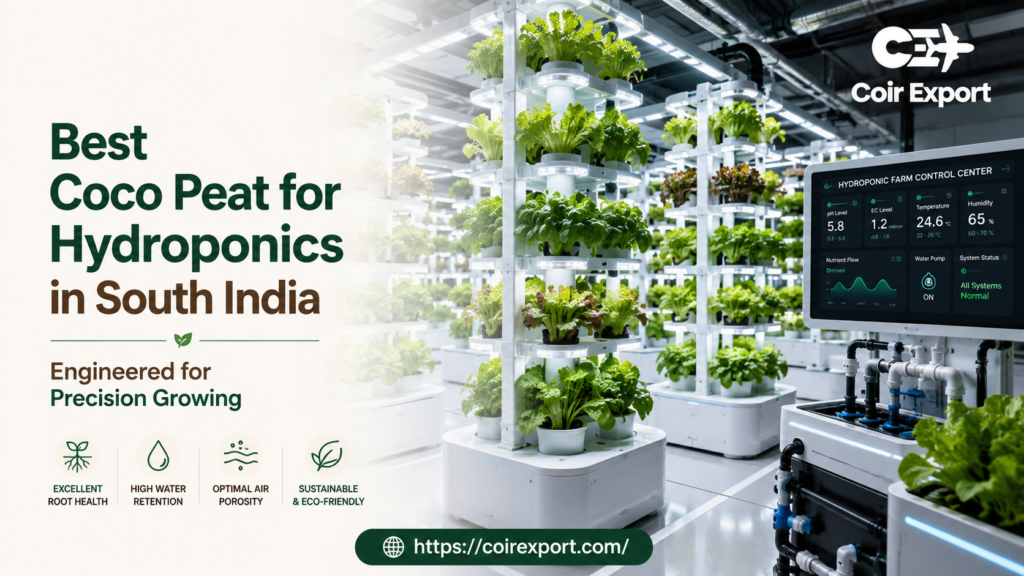
Hydroponic farming has revolutionized agriculture across South India, offering sustainable and efficient cultivation methods. At the heart of successful hydroponic systems lies the growing medium, and coco peat has emerged as the premier choice for modern growers. Finding the best coco peat for hydroponics in South India requires understanding quality parameters, processing standards, and supplier reliability. This comprehensive guide explores everything you need to know about selecting premium coco peat products that ensure optimal plant growth, water retention, and nutrient delivery. Whether you’re establishing a commercial hydroponic farm or a home-based growing system, the quality of your coco peat directly impacts your harvest yield and plant health. South India’s tropical climate and established coconut industry make it an ideal hub for sourcing superior coco peat products that meet international hydroponic standards.
Understanding Coco Peat Quality Standards for Hydroponics
When searching for the best coco peat for hydroponics in South India, quality assessment becomes paramount. Premium coco peat must exhibit specific characteristics including low electrical conductivity (EC) levels below 0.5 mS/cm, neutral pH ranging between 5.5 to 6.8, and minimal salt content. The fiber length and consistency determine water retention capabilities and root penetration ease. High-quality coco peat undergoes proper aging, washing, and buffering processes that remove tannins and excessive salts. The expansion ratio matters significantly—quality compressed coco peat blocks should expand to 5-7 times their original volume when hydrated. Top coco peat for hydroponics in South India meets international standards like RHP certification, ensuring consistency in physical and chemical properties. Proper screening removes fine dust particles that could clog hydroponic systems, while maintaining optimal air-filled porosity between 20-30% for root respiration.
Why South India Leads in Coco Peat Production
South India’s dominance in coconut cultivation naturally positions it as the primary source for the best coco peat for hydroponics in South India. States like Tamil Nadu, Kerala, Karnataka, and Andhra Pradesh collectively produce over 60% of India’s coconuts, providing abundant raw material for coco peat manufacturing. The region’s established processing infrastructure includes modern washing units, buffering facilities, and compression machinery that transform coconut husk into premium hydroponic substrates. Coastal proximity facilitates efficient export logistics while serving domestic hydroponic markets. Traditional knowledge combined with modern processing technology enables South Indian manufacturers to produce coco peat that rivals international competitors. The tropical climate ensures year-round coconut availability, guaranteeing consistent supply chains for hydroponic growers. Decades of refinement in extraction and processing techniques have positioned South Indian producers at the forefront of sustainable coco peat production.
Essential Properties of Top Coco Peat for Hydroponics
The best coco peat for hydroponics in South India must demonstrate superior water retention capabilities while maintaining excellent drainage characteristics. This balance prevents waterlogging while ensuring consistent moisture availability to plant roots. The cation exchange capacity (CEC) should range between 80-100 meq/100g, enabling efficient nutrient holding and release. Porosity structure directly impacts oxygenation—optimal coco peat contains a mix of macro and micro pores supporting both water retention and air circulation. Biological stability ensures the medium resists decomposition throughout multiple growing cycles, reducing replacement frequency and operational costs. Free from pathogens, weed seeds, and harmful microorganisms, quality coco peat provides a sterile growing environment. The lignin content contributes to structural stability, preventing compaction that could restrict root growth. These properties collectively determine hydroponic system performance and crop productivity.
Processing Methods That Ensure Premium Quality
Identifying the best coco peat for hydroponics in South India requires understanding processing methodologies. Initial washing removes natural salts and tannins that could harm plant roots. Multiple rinse cycles reduce EC levels to safe ranges for sensitive hydroponic crops. Buffering with calcium-based solutions neutralizes sodium accumulation and stabilizes pH levels. Aging for 6-12 months allows natural decomposition of harmful phenolic compounds. Screening separates fiber lengths, creating consistent particle size distribution essential for uniform water movement. Steam sterilization eliminates pathogens without chemical residues. Proper drying reduces moisture content to 15-20%, preventing fungal growth during storage. Compression into blocks, bales, or discs facilitates transportation and storage while reducing carbon footprint. Top coco peat for hydroponics in South India undergoes laboratory testing at each processing stage, ensuring batch consistency and quality assurance.
Selecting the Right Coco Peat Format for Your System
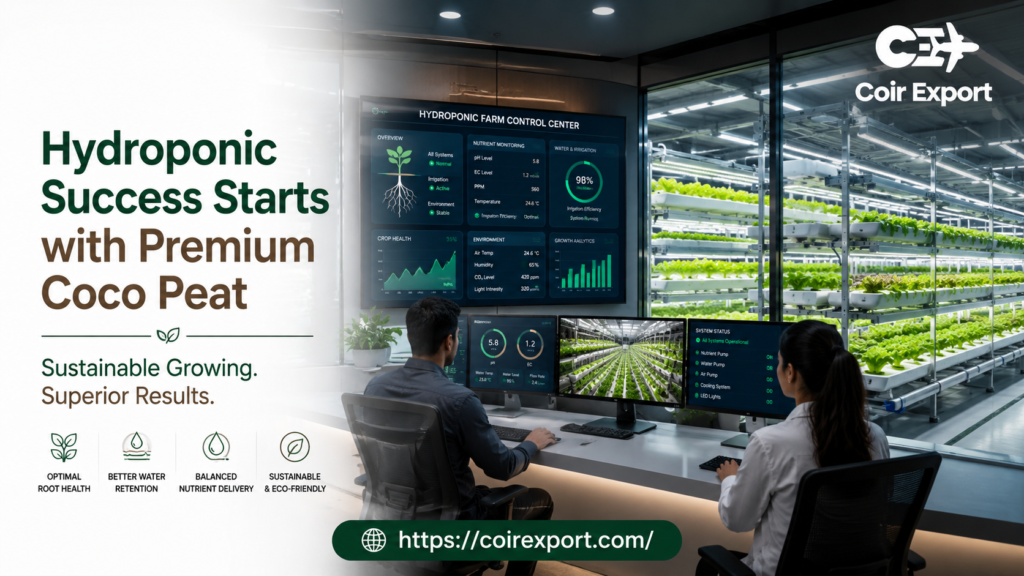
The best coco peat for hydroponics in South India comes in various formats suited to different hydroponic applications. Compressed blocks expand when hydrated, ideal for large-scale operations seeking cost-effective transportation. Grow bags offer convenience for commercial greenhouse cultivation, providing pre-filled, ready-to-plant solutions. Loose coco peat suits custom mixing requirements, allowing growers to blend specific ratios with perlite, vermiculite, or other amendments. Discs work perfectly for seed starting and propagation, offering portion-controlled quantities. Slabs provide uniform depth for consistent root development in horizontal growing systems. Each format maintains quality standards while addressing specific operational needs. Consider your hydroponic system type—NFT, drip irrigation, ebb and flow, or deep water culture—when selecting the appropriate format. Volume requirements, handling convenience, and budget constraints also influence format selection for optimal results.
Sustainability and Environmental Benefits
Choosing the best coco peat for hydroponics in South India supports environmental sustainability while enhancing growing efficiency. Coco peat repurposes agricultural waste from coconut processing, preventing disposal challenges and adding value to existing industries. Unlike peat moss harvested from ecologically sensitive bogs, coco peat comes from renewable coconut plantations with minimal environmental impact. The medium’s reusability across multiple growing cycles reduces resource consumption and operational costs. Biodegradability ensures responsible end-of-life disposal without persistent environmental contamination. Carbon sequestration during coconut growth offsets processing emissions, creating a favorable carbon footprint. Water conservation features reduce irrigation requirements by 30-40% compared to conventional substrates. Supporting local South Indian producers minimizes transportation emissions while strengthening regional agricultural economies. This combination of performance and sustainability makes coco peat the environmentally conscious choice for modern hydroponic operations.
About COIR EXPORT
COIR EXPORT stands as South India’s premier supplier of premium coco peat products designed specifically for hydroponic applications. With decades of experience in coconut husk processing, we combine traditional expertise with cutting-edge technology to deliver the best coco peat for hydroponics in South India. Our state-of-the-art facilities ensure rigorous quality control through every processing stage—from washing and buffering to compression and packaging. We maintain strategic partnerships with certified coconut plantations across Tamil Nadu, Kerala, Karnataka, and Andhra Pradesh, guaranteeing consistent supply of superior raw materials. Our products undergo comprehensive laboratory testing for EC, pH, salt content, and microbial contamination, meeting international hydroponic standards. Visit https://coirexport.com/ to explore our complete range of coco peat formats and discover why leading commercial growers and home gardeners trust COIR EXPORT for their hydroponic success.
FAQ Section
Q1: What makes coco peat superior to other hydroponic growing mediums?
Coco peat offers exceptional water retention while maintaining optimal drainage, creates ideal air-to-water ratios for root health, provides natural disease resistance, and maintains stable pH levels throughout growing cycles. Its renewable nature and reusability make it both economically and environmentally advantageous.
Q2: How long does quality coco peat last in hydroponic systems?
The best coco peat for hydroponics in South India typically lasts 2-3 growing cycles or 18-24 months with proper maintenance. Washing between cycles removes salt accumulation and refreshes the medium, extending usability while maintaining performance characteristics.
Q3: Should I buffer coco peat before use in hydroponics?
Pre-buffered coco peat from reputable suppliers like COIR EXPORT requires no additional treatment. However, if using unbuffered products, calcium-magnesium buffering prevents sodium interference with plant nutrient uptake, ensuring optimal growth conditions.
Q4: What’s the ideal coco peat EC level for hydroponic growing?
Top coco peat for hydroponics in South India should have EC levels below 0.5 mS/cm for sensitive crops and under 1.0 mS/cm for tolerant varieties. Lower EC values provide better control over nutrient delivery in precision hydroponic systems.
Conclusion with CTA
Selecting the best coco peat for hydroponics in South India fundamentally determines your growing success, crop yields, and operational efficiency. Quality coco peat provides the perfect foundation for healthy root development, optimal nutrient delivery, and sustainable cultivation practices. South India’s established coconut industry, combined with advanced processing capabilities, offers hydroponic growers access to world-class coco peat products that meet the most demanding agricultural standards. As hydroponic farming continues expanding across the region, partnering with reliable suppliers ensures consistent quality and supply chain stability. COIR EXPORT brings you premium coco peat products backed by rigorous quality control, sustainable sourcing practices, and expert technical support. Ready to elevate your hydroponic operation? Visit https://coirexport.com/ today to explore our comprehensive range of coco peat solutions and experience the difference that premium quality makes in your growing system.